Palacio de Lebrija Sitio oficial del palacio de la Condesa de Lebrija
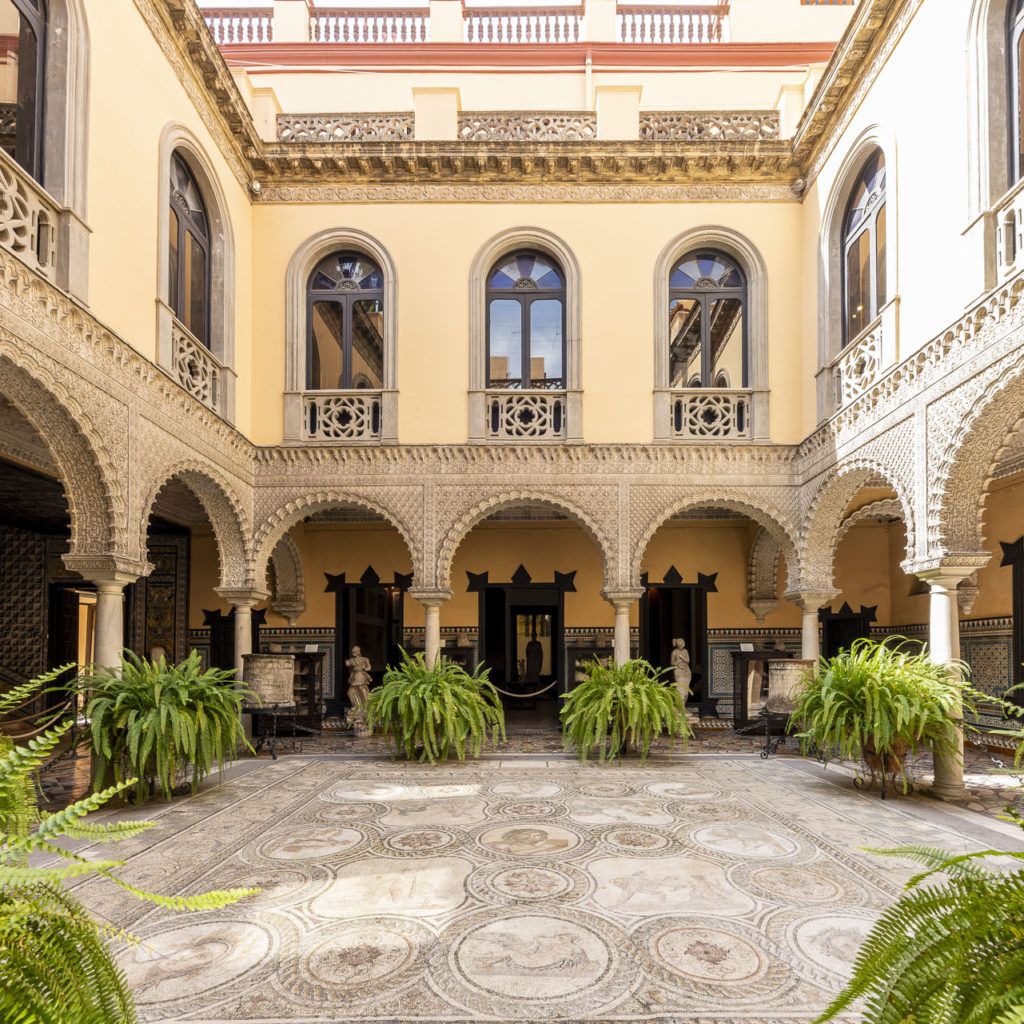
Palace of the Countess of Lebrija. It began to be built as a manor house in the 16th century. It originally belonged to the Paiba family and later to the Counts of Corbos and the Counts of Miraflores. It was in 1901 when it became the property of Regla Manjón Mergelina, the Countess of Lebrija, who carried out a restoration and fitted it out.
Palace of the Countess of Lebrija Turismo de la Provincia de Sevilla
-SEVILLA-Palacio de la condesa de Lebrija.JPG?h=fafe0f21&itok=919Lge_v)
A 16th-century palace house. The Palace House of the Countess of Lebrija is one of the most amazing houses in Sevilla. As well as mosaics, there are many priceless archaeological remains in its rooms: urns, amphorae, columns, vases and sculptures. The decorative elements - Moorish arches, Plateresque decorations and Andalusian façade and floor.
Palace of the Countess of Lebrija in Seville Editorial Photo Image of arch, stone 112097411

Lebrija Palace is fast becoming one of Seville's best palace houses to visit. Not only does it have some stunning mosaics, but its rooms also contain numerous archaeological remains of incalculable value: vases, amphorae, columns, vessels, and sculptures. The building is also bedecked with ornamental features like Arab-style arches.
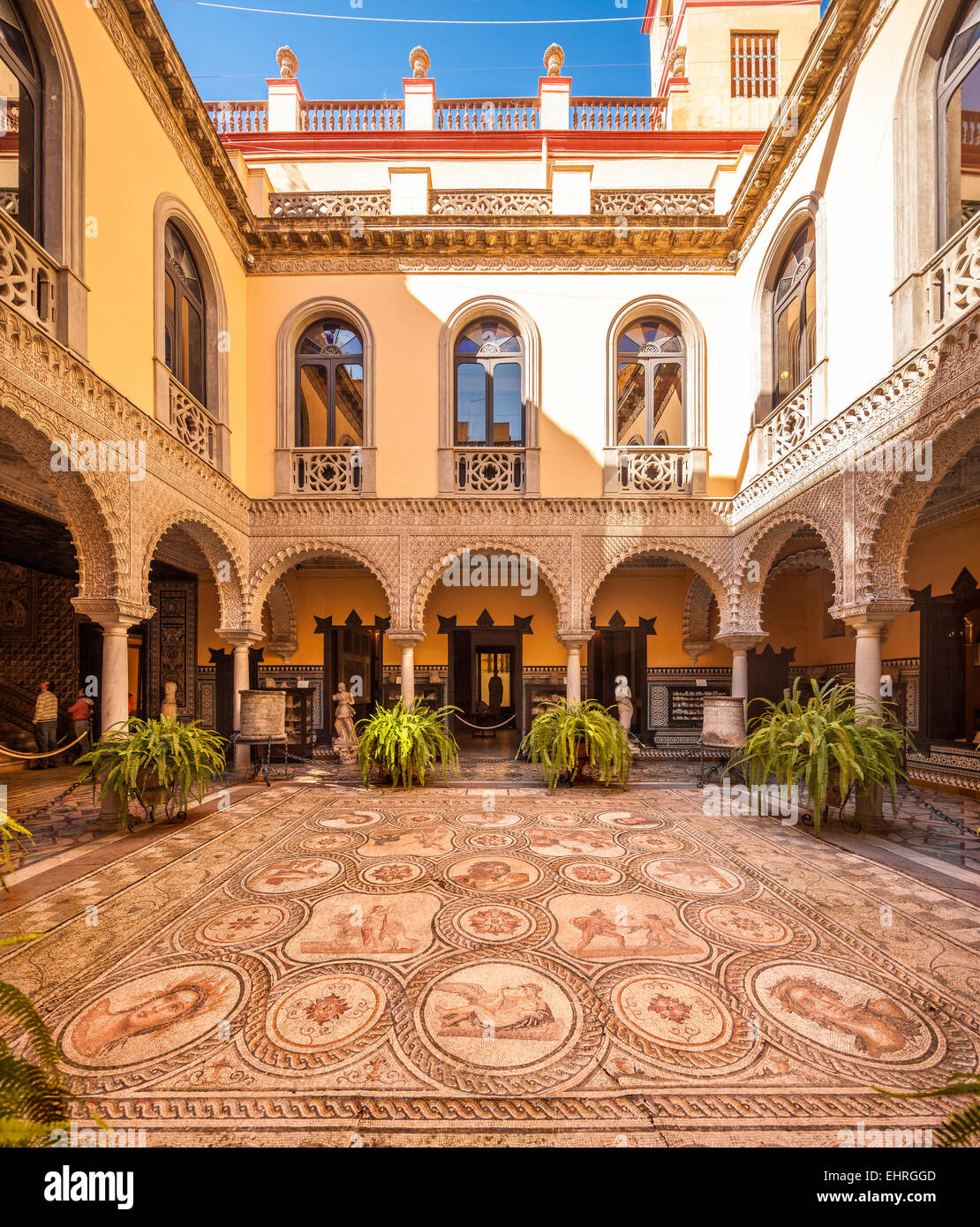
Seville Spain, courtyard with Roman mosaics. Sevilla, Palace of the Countess of Lebrija, Palacio
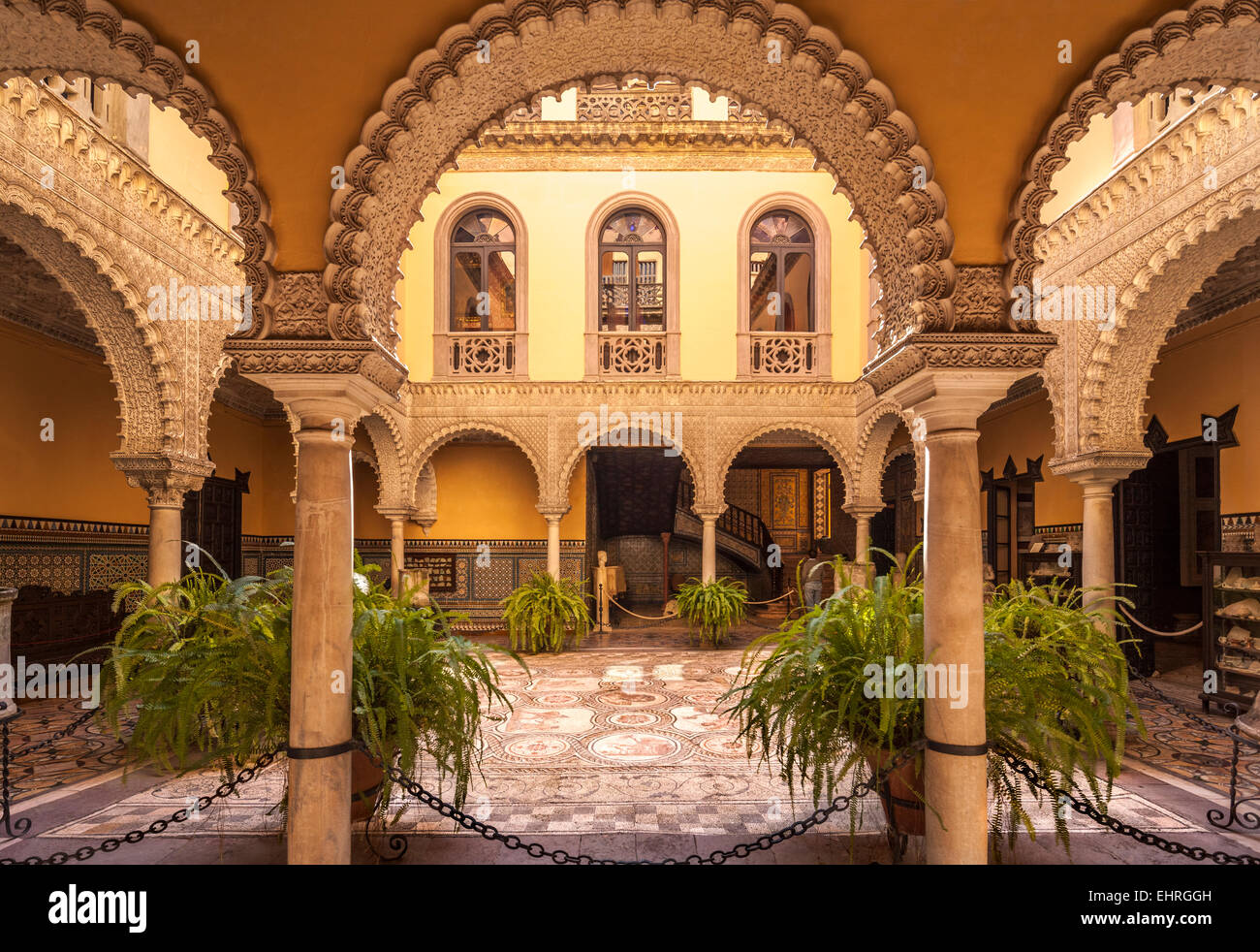
The Lebrija Palace or Palacio de la Condesa de Lebrija is a house-museum in central Seville, Spain. Dating to the 16th century and remodeled between the 18th and 20th centuries, the palace is characterised by its collection of art, including Roman mosaics and other antiquities as well as Asian art, paintings by European masters and European decorative arts.
IMG_6122 Museum of the Palace of the Countess of Lebrija, … Flickr

Palace of the Countess of Lebrija. Built in the 16th century and remodeled in the 19th century, it is an authentic museum containing a wide variety of artistic pieces that the Countess of Lebrija collected during her lifetime.
Seville Spain, courtyard with Roman mosaics. Sevilla, Palace of the Countess of Lebrija, Palacio
The palace of the Countess of Lebrija is located in the very center of Seville. Located at Calle Cuna, 8, this palace is a hidden treasure among narrow alleys of the historic center. Located between the Plaza del Salvador and the Campana area. You can take advantage, walk there and enjoy the walk through some of the oldest and most charming.
SEVILLE SPAIN Why is it the gateway to the new world?

Lebrija Palace, or Palacio de la Condesa de Lebrija. The Palacio de la Condesa de Lebrija is the palace of the Countess of Lebrija. The Lebrija Palace has its origins in the 15th and 16th centuries and was built in the Mudejar style. At the time it served as a mansion. For example, the ground floor was used for living in the summer and the upper floor in the winter.
Palace of the Countess of Lebrija Palacio de la Condesa de Lebrija Seville Spain Spanish
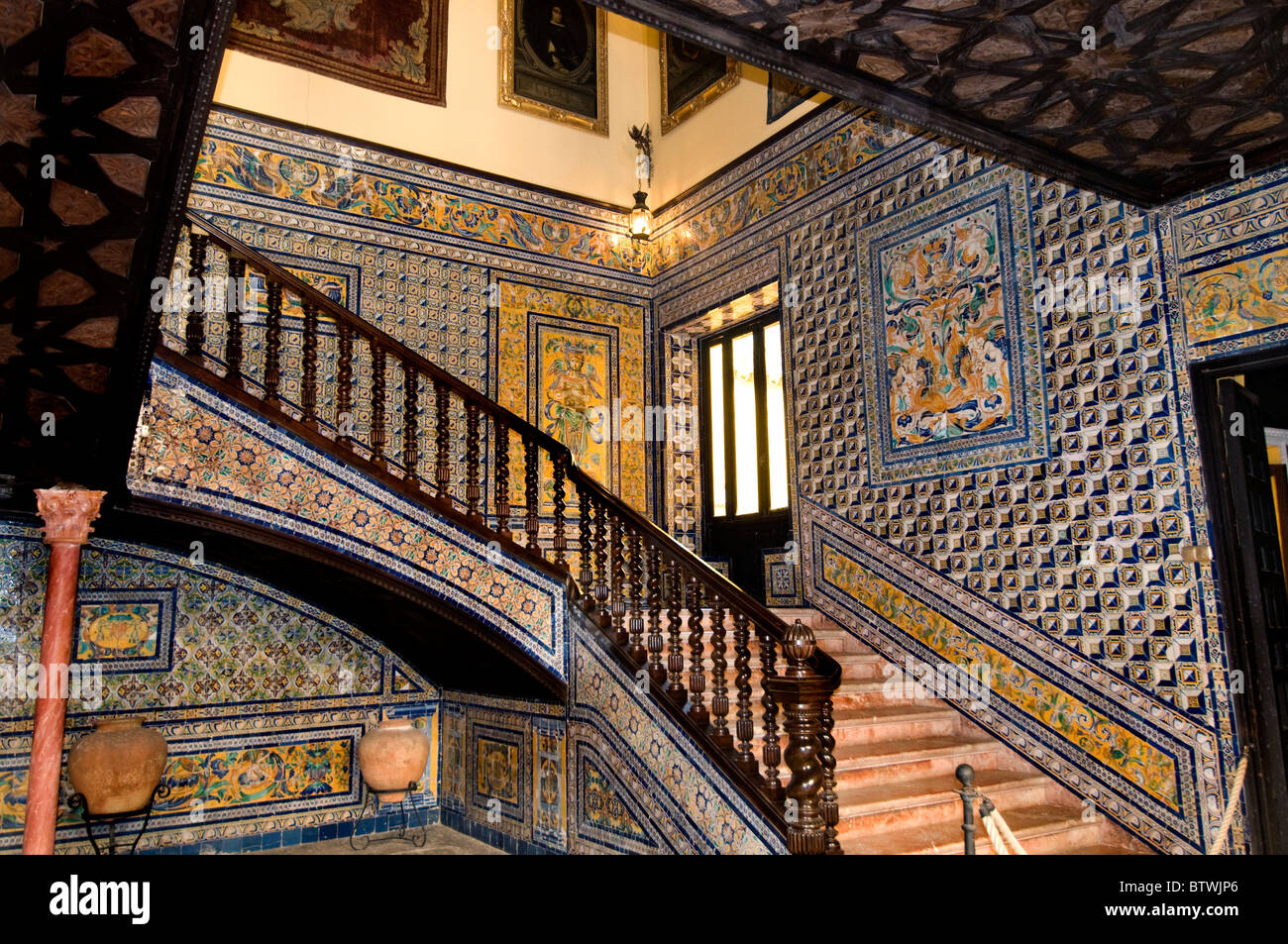
El Palacio de Lebrija se convierte en una de las mejores casas de Sevilla, esta casa no sólo cuenta con mosaicos, sino que en sus salas se atesoran multitud de restos arqueológicos de incalculable valor: vasos, ánforas, columnas, vasijas y esculturas. Además sus paredes se engalanan de elementos decorativos como sus arcos de traza árabe, sus adornos platerescos y su fachada y planta andaluza.
Palace of the Countess of Lebrija Sevilla Sevilla, Palace, Countess

The Palace of the Countess of Lebrija is no less than a delight to the eyes. Taking a stroll towards different palace's corners stuns visitors because of its architectural beauty, wooden detailing and smaller dimensional tiles, which keep palace vibes intact.
Spain, Andalusia, Seville, Palace of the Countess of Lebrija (El Palacio de la Condesa de
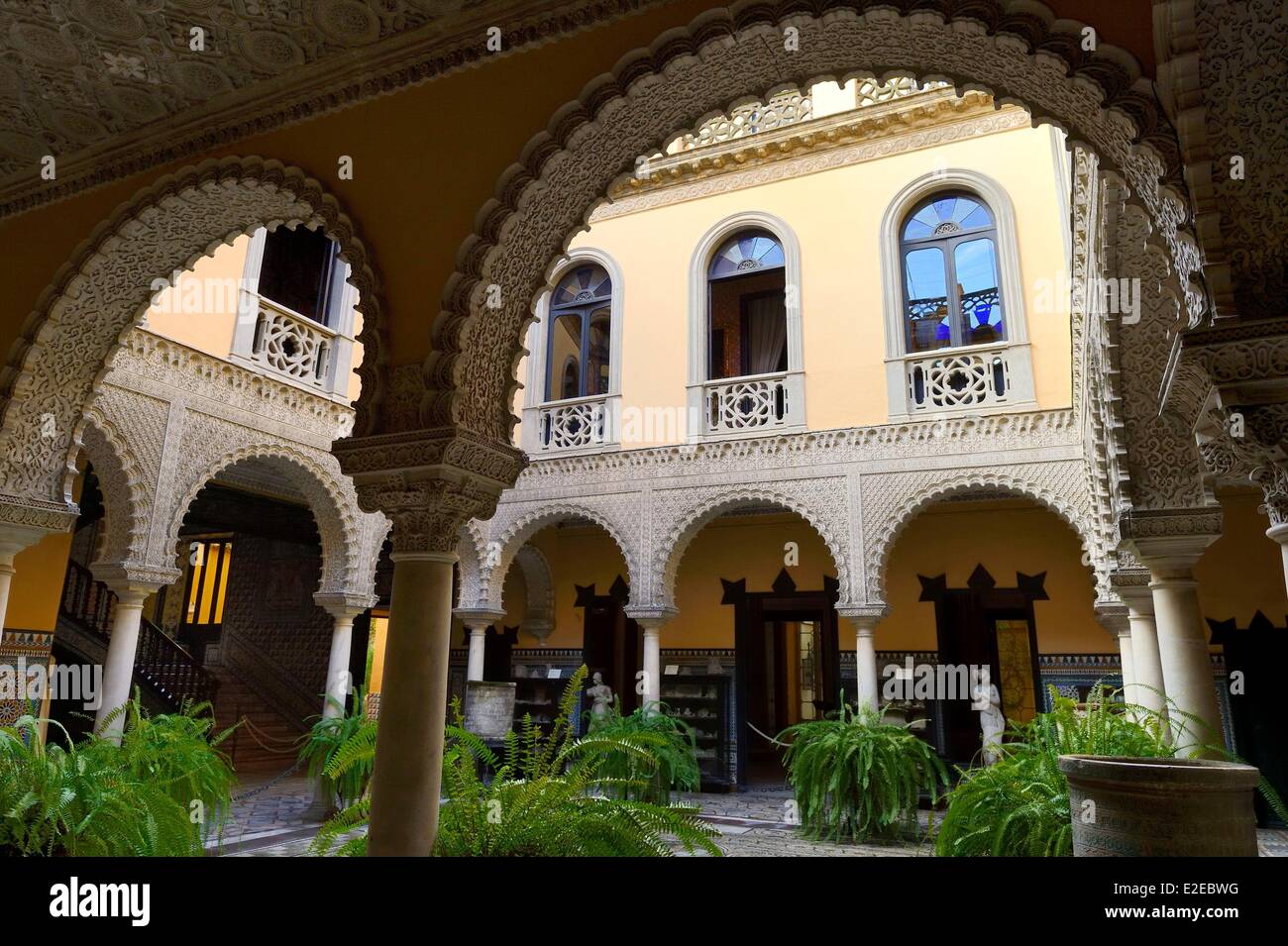
The Palace of the Countess of Lebrija is a magnificent Palace and Museum, located at number 8 on Calle Cuna, a shopping street parallel to the famous Calle Sierpes.. Its origins date back to the sixteenth century, and it is considered the "best-paved palatial home in Europe". It belonged to several local noble families until in 1901 it was acquired by the Countess of Lebrija who restored.
The Palace of the Countess of Lebrija, in Seville, Spain Stock Image Image of mosaic, andaluz

Beautiful seventeenth-century city palace. Beautiful, privately-owned and run city palace with an extraordinary collection of Roman artefacts on the ground floor. The €12 entrance fee includes a guided tour of the upstairs living quarters, before or after which you can explore the ground floor at your leisure.
Palace of the Countess of Lebrija in Seville Editorial Photography Image of countess, mansion

Palace of the Countess of Lebrija. The Lebrija Palace or Palacio de la Condesa de Lebrija is a house-museum in central Seville. Dating to the 16th century and remodeled between the 18th and 20th centuries, the palace is characterised by its collection of art, including Roman mosaics and other antiquities as well as Asian art, paintings by.
Photo The private chapel.
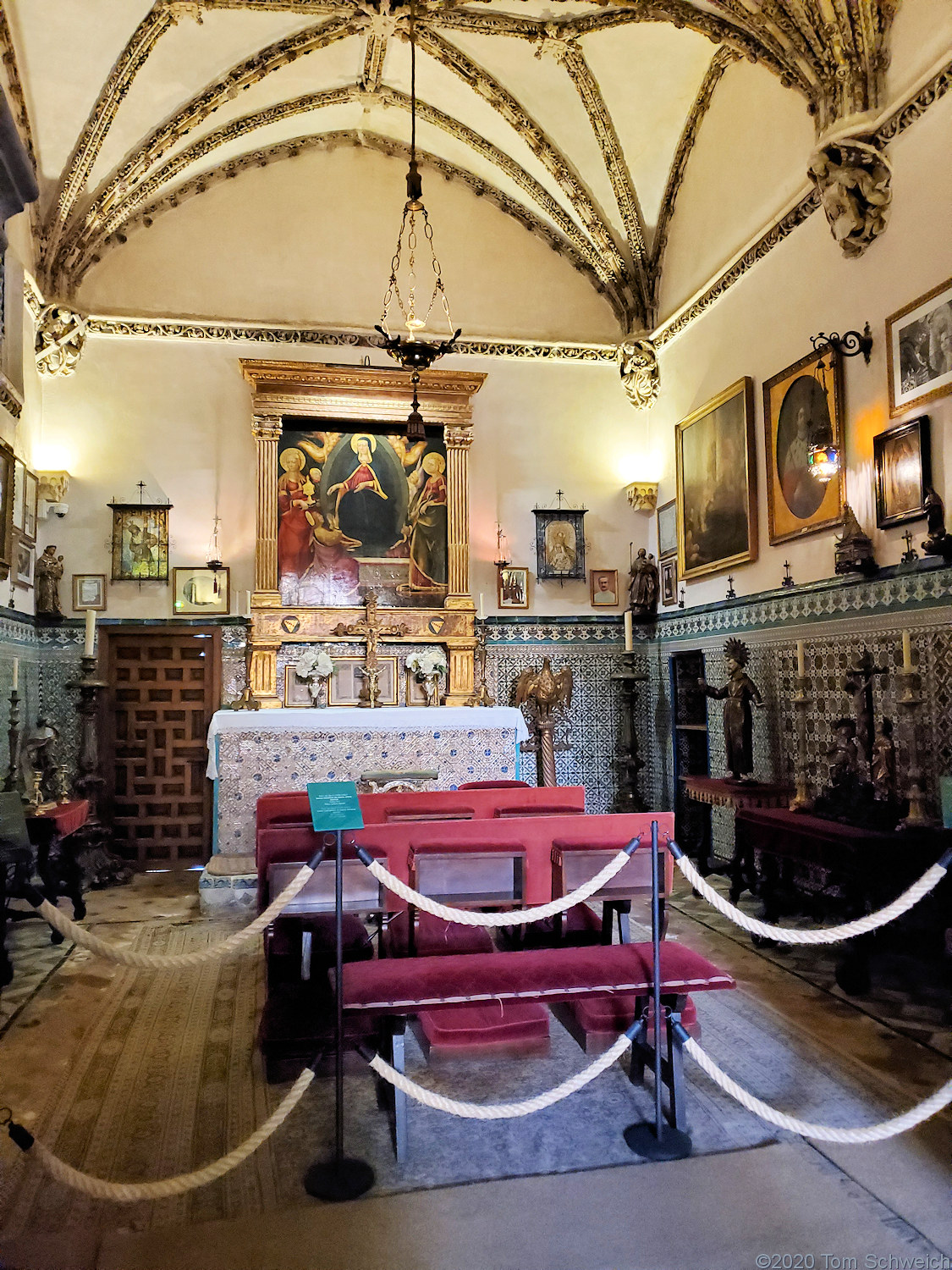
Palace of the Countess of Lebrija. Coordinates: 5°59′37″W. The Lebrija Palace or Palacio de la Condesa de Lebrija is a house museum in central Seville, Spain. [1] Dating to the 16th century and remodeled between the 18th and 20th centuries, the palace is characterised by its collection of art, including Roman mosaics and other antiquities.
3 Days in Seville The Perfect Itinerary for First Time Visitors

It seems like no matter how long you stay in Seville, you don't run out of palaces and palatial villas to explore! I was very happy to discover Palacio de la Condesa de Lebrija (Palace of the Countess of Lebrija) on my recent second stay in Seville, and the expectations were certainly exceeded!. This villa/museum dates back to the 16th century and it has been beautifully restored and.
The Palace of the Countess of Lebrija, in Seville, Spain Editorial Stock Photo Image of

This is the Palace of Lebrija, also known as the Palace of the Countess of Lebrija. Although its construction dates to the sixteenth century, when it was built as a Sevillian manor, in 1901 an unprecedented stage of restoration was undertaken when it was bought by María Regla Manjón y Mergelina (Countess of Lebrija).
Palace of the Countess of Lebrija Turismo de la Provincia de Sevilla
-SEVILLA-Palacio de la condesa de Lebrija.JPG)
Although Lebrija Palace dates from the 16th century, it only really came to life in 1901, when Doña Regla Manjón Mergelina, the Countess of Lebrija, bought it and restored it. Work on this new family home continued for thirteen years. The countess embellished the ground floor with some real artistic treasures, acquiring the famous collection.
.