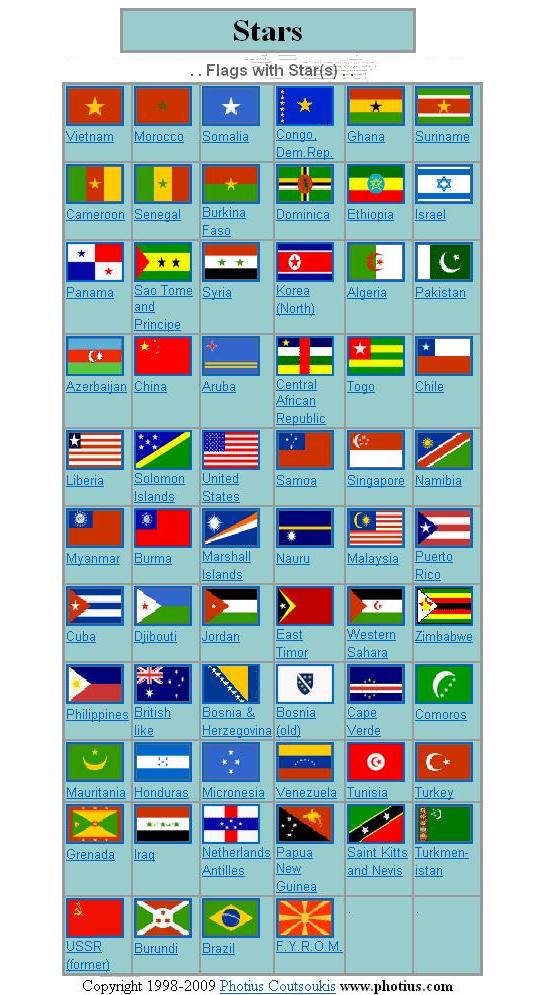
Frontiers Antiviral Activities of Interleukin27 A Partner for Interferons?
Bempegaldesleukin ist ein mit Polyethylenglycol- (PEG-)Resten versehenes rekombinantes IL-2. Durch die PEG-Reste erhöht sich die Halbwertszeit des IL-2 und sie erzielen einen Retardierungseffekt.
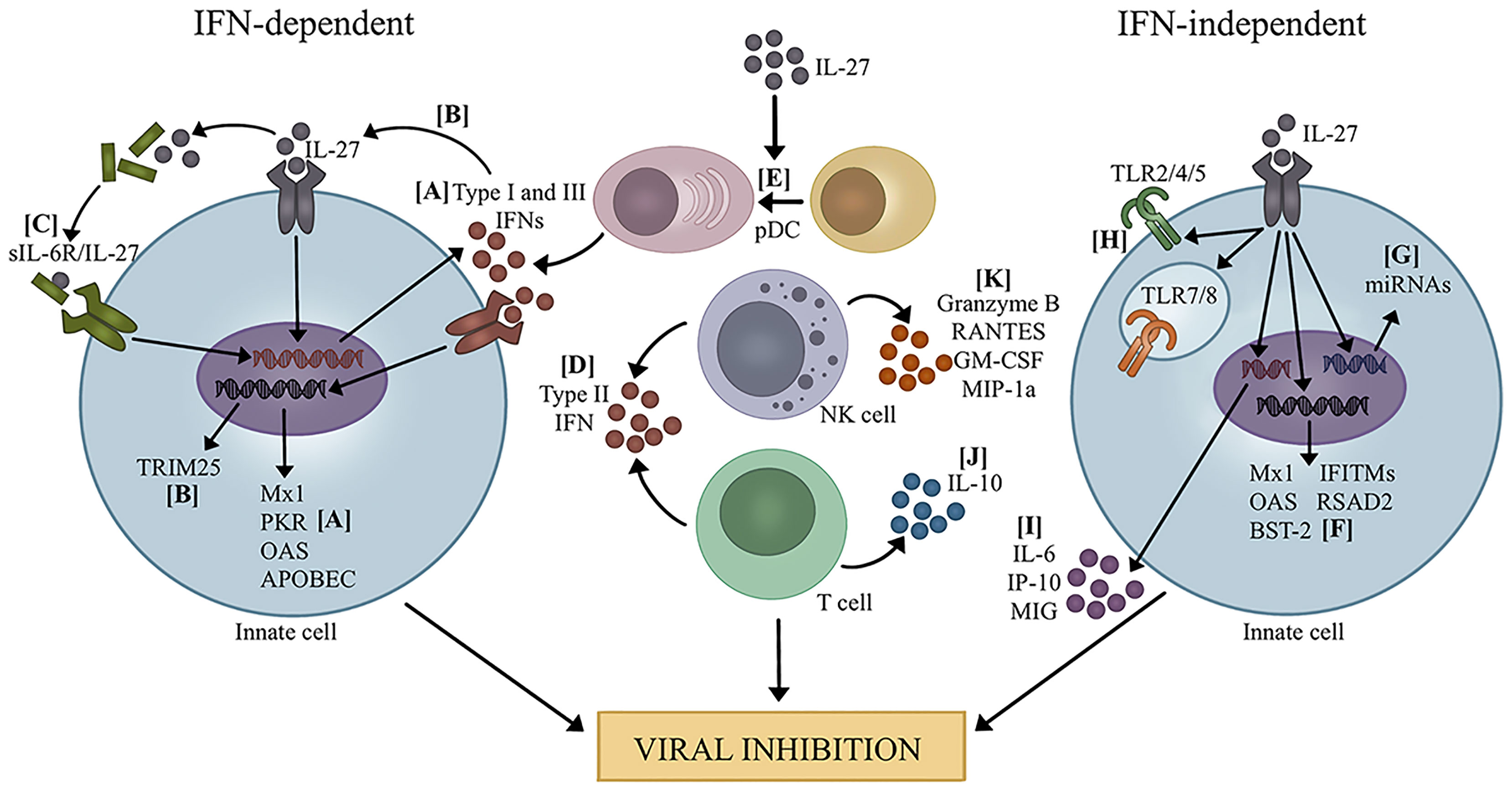
Frontiers Interleukin2Inducible TCell Kinase Deficiency—New Patients, New Insight?
Synonyme: Löslicher Interleukin-2-Rezeptor, sIL-2R. Die Bestimmung der Blutwerte von sIL-2-Rezeptor ist zur Beurteilung der Erkrankungsaktivität bei Sarkoidose hilfreich. Die Sarkoidose ist eine Entzündungserkrankung, bei der es zur Bildung sogenannter epitheloidzelliger Granulome kommt. Sie kann den gesamten Körper betreffen - in mehr.
Interleukin 7 receptor signaling pathway. Binding of interleukin 7... Download Scientific Diagram
Die häufig eingesetzten Biomarker „Angiotensin-Converting Enzyme" (ACE) und „soluble Interleukin-2-Rezeptor" (sIL-2R) sind unspezifisch und eignen sich nicht zur Diagnosesicherung.
Interleukin2 Receptor Signaling At the Interface between Tolerance and Immunity Immunity

stark erhöhte Ferritinwerte im Blut; mikroskopisch Hämophagozytose in Knochenmark, Milz oder Lymphknoten; Aktivität von natürlichen Killerzellen erniedrigt oder nicht nachweisbar; löslicher Interleukin-2-Rezeptor (CD25) im Blut erhöht; Die HLH wurde in Zusammenhang mit der Einnahme von Lamotrigin beobachtet.
interleukin2 biosynthetic process Semantic Scholar
CRP, Ferritin und der lösliche IL-2-Rezeptor waren bei allen Patient*innen stark erhöht. Nur 2 Patient*innen hatten weder eine Troponin-T- noch NT-proBNP-Erhöhung. Sieben Patient*innen hatten eine eingeschränkte linksventrikuläre Funktion. Bei 10 fand sich eine positive SARS-CoV-2-Serologie, bei 2 eine positive SARS-CoV-2-PCR im Nasen.
Interleukin 2 Blood Test Blood Tests in London

Interleukin-2 (IL-2) is an interleukin, a type of cytokine signaling molecule in the immune system.It is a 15.5-16 kDa protein that regulates the activities of white blood cells (leukocytes, often lymphocytes) that are responsible for immunity.IL-2 is part of the body's natural response to microbial infection, and in discriminating between foreign ("non-self") and "self".
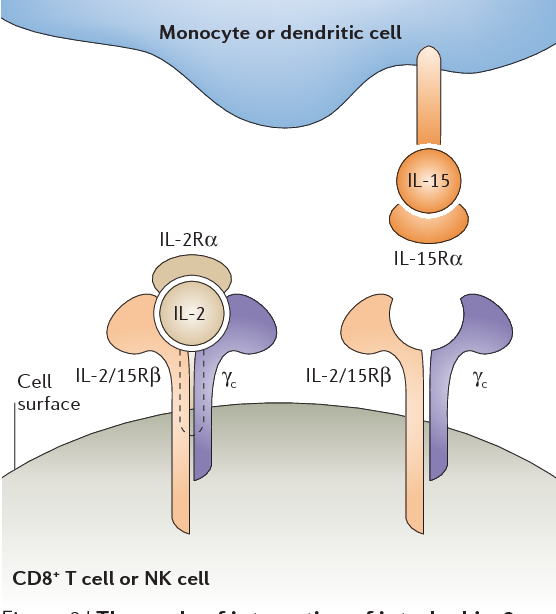
Figure 1 from Molecular Pathways Interleukin15 Signaling in Health and in Cancer Semantic

Interleukin-2 (IL-2) bindet an den IL-2-Rezeptor, der sich aus drei Untereinheiten (α, β und γ) zusammensetzt und im Wesentlichen von T-Lymphozyten exprimiert wird. Die β- (70-75 kDa, CD122)und γ- (64 kDa, CD132).Untereinheiten sind dabei stets auf der Zellmembran vorhanden. Die α-Untereinheit (55 kDa, CD25 oder Tac-Antigen) wird erst.
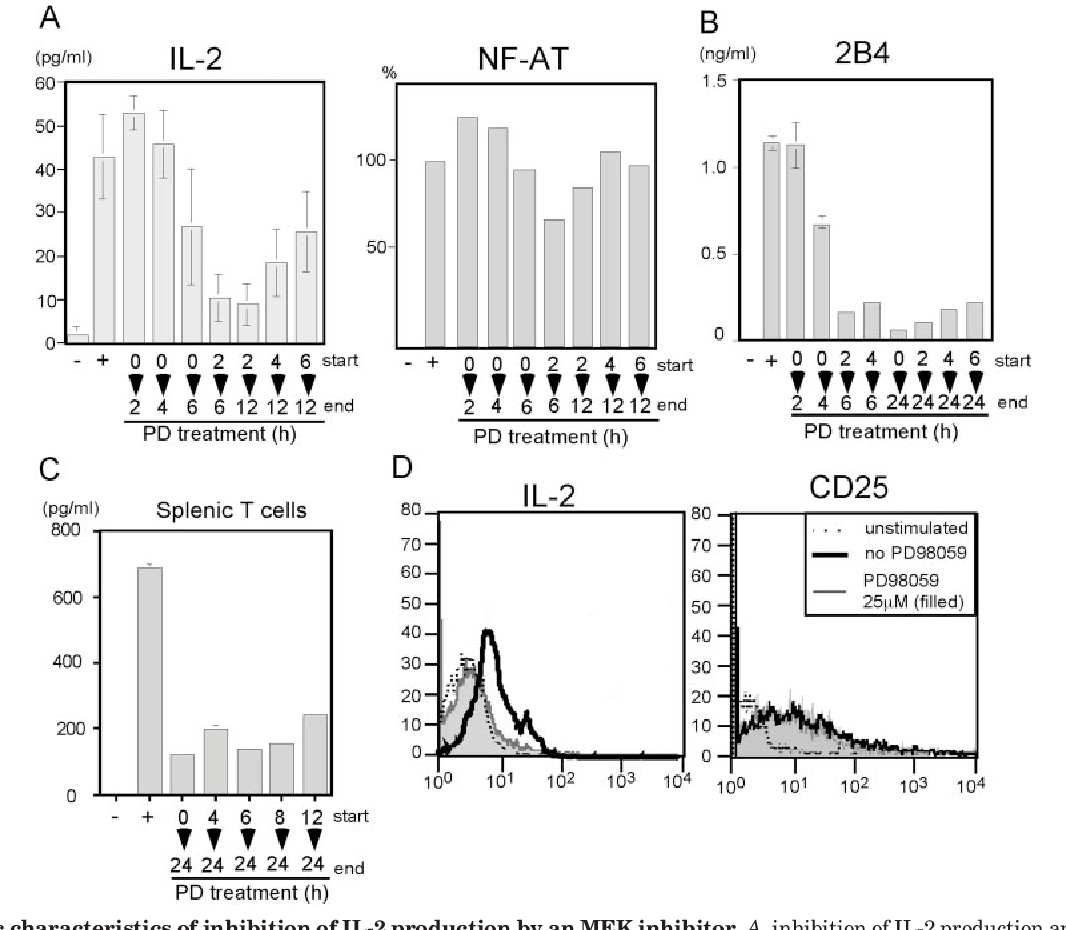
Figure 3 from A Novel ERKdependent Signaling Process That Regulates Interleukin2 Expression in
Erhöhte Werte können bei gesicherter Sarkoidose jedoch als Verlaufsparameter unter Therapie verwendet werden . Löslicher Interleukin-2-Rezeptor. Der Interleukin-2-Rezeptor (IL2-R) ist ein Transmembranprotein auf der Oberfläche lymphatischer Zellen, an den Interleukin‑2 bindet.
Interleukin 2 wikidoc

Interleukin-2 receptor (IL-2R) signaling regulates tolerance and immunity. Here, we review recent work concerning the structure, signaling, and function of the IL-2R, emphasizing the contribution of IL-2 for T cell-dependent activity in vivo. IL-2R signaling influences two discrete aspects of immune responses by CD8 + T cells, terminal.
Interleukin Receptors
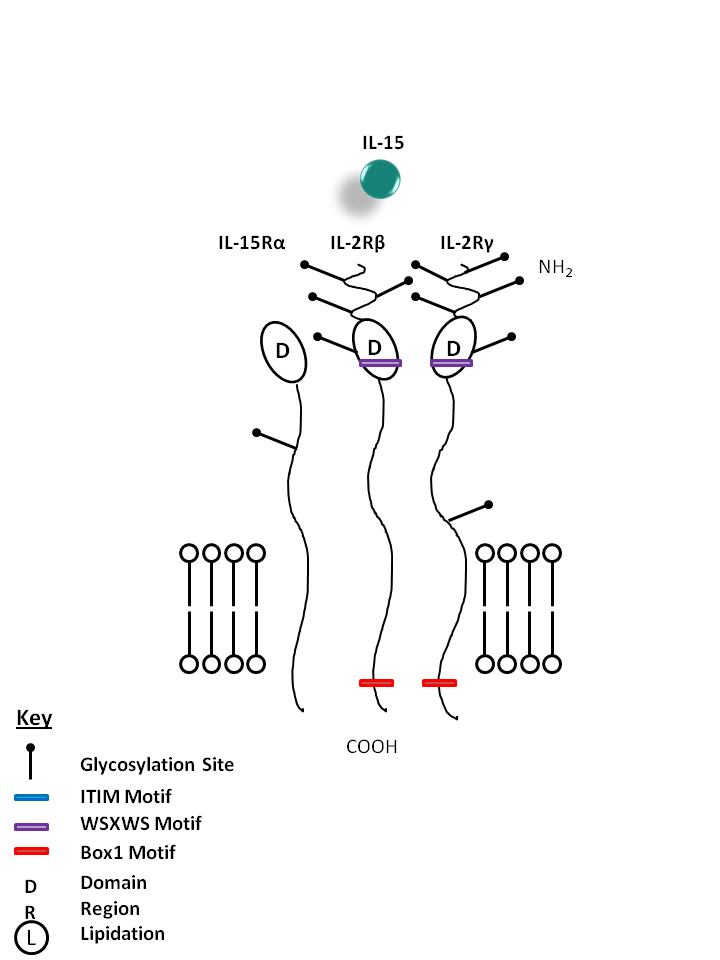
Interleukin 2 receptors (IL-2-R) are composed of (at least) two chains: the alpha chain (or p55 or Tac) and the beta chain (or p70 or p75). The association of both chains constitutes high affinity IL2-R complexes (Kd congruent to 10-100 pM), whereas the alpha-chain or the beta chain alone bind IL-2 with low (Kd congruent to 5-50 nM) and intermediate (Kd congruent to 1 nM) affinities, respectively.
CD122directed interleukin2 treatment mechanisms in bladder cancer differ from αPDL1 and

Löslicher IL-2-Rezeptor im Serum. T-Lymphozyten nehmen im Immunsystem eine zentrale Stellung ein. Sie sind für die Aufrechterhaltung der zellulären Immunität, u.a. gegenüber intrazellulär persistierenden Erregern (Viren, Bakterien, Parasiten), verantwortlich. Das Interleukin-2 (IL-2- T-Zell-Wachstumsfaktor) ist das wichtigste Zytokin im.
Serum soluble interleukin 2 receptor and angiotensinconverting enzyme... Download Scientific

Abstract. Sarcoidosis is a systemic inflammatory disease characterized by granulomatous inflammation. The soluble interleukin-2 receptor (sIL-2R) is used as a biomarker for disease severity in sarcoidosis. Moreover, rather than just a biomarker, evidence indicates that sIL-2R could be of biological significance in this disease.
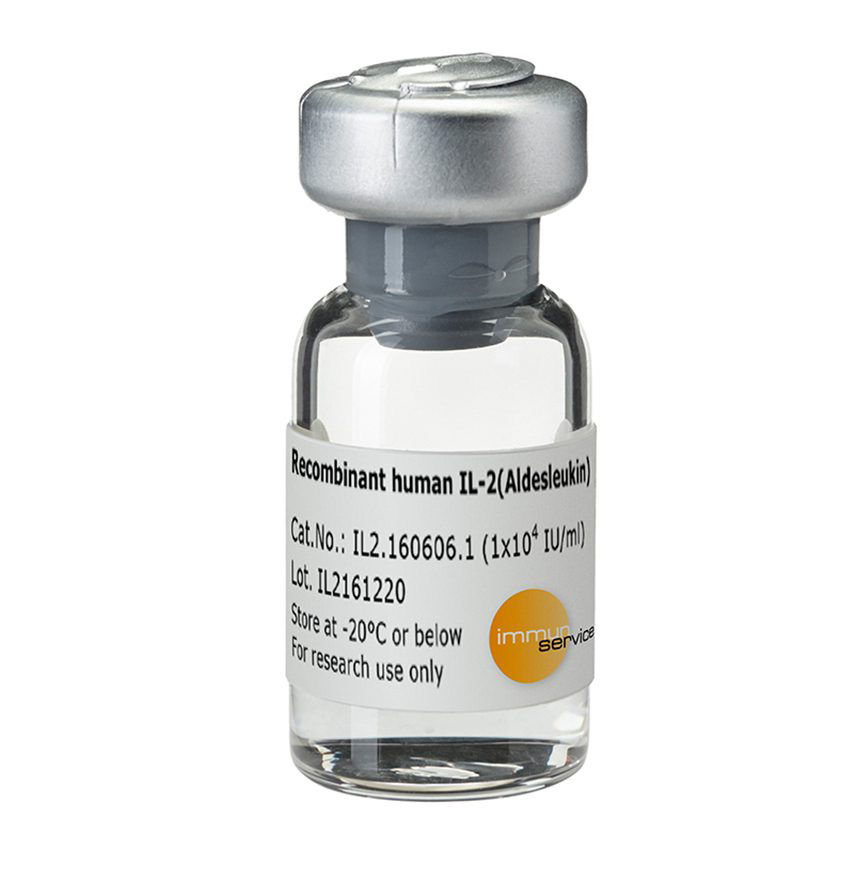
Interleukin2, human (Aldesleukin) Immunservice GmbH
Introduction. In mammals, Interleukin-2 (IL-2), a four α-helical bundle cytokine with a molecular weight of 15kDa, is a T cell growth factor that is mainly produced by activated T cells ().Further, IL-2 is a critical Th1-type cytokine that plays an important role in immune regulation, wherein it primarily promotes the activation, proliferation, and differentiation of T cells, B cells, and NK.
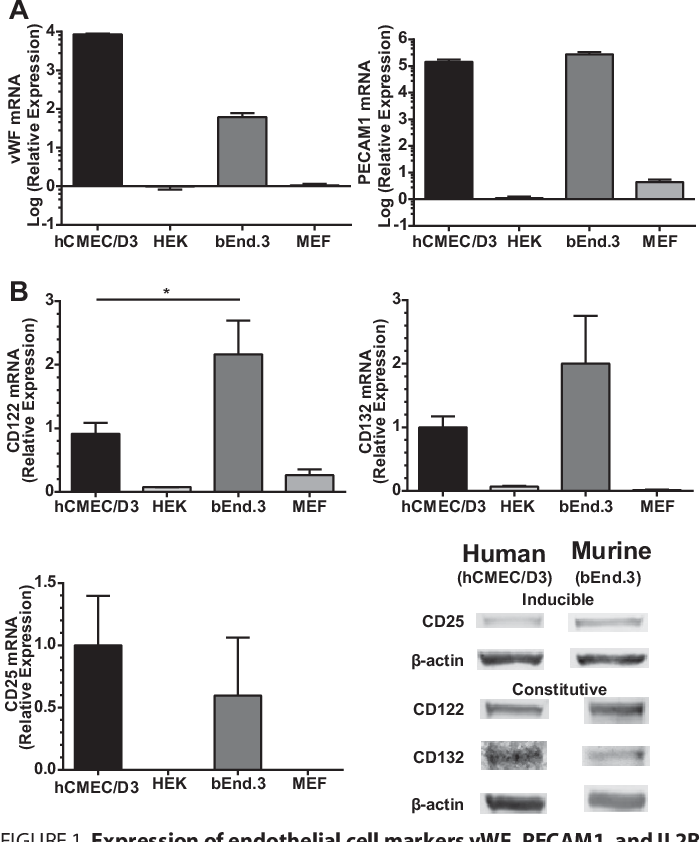
Figure 1 from Interleukin 2 Activates Brain Microvascular Endothelial Cells Resulting in
The interleukin (IL)-2 - IL-2 receptor (IL-2R) pathway is important in immunity, but is also involved in maintenance of self-tolerance. This paradox is further complicated by shedding of the IL-2Rα chain, revealing soluble (s)IL-2R. Binding of IL-2 to sIL-2R may either reduce or enhance responses depending on the target cell being involved in.
Human Interleukin2 in Complex with Interleukin2 Receptor. 3d Illustration Stock Illustration

Der lösliche Interleukin-2-Rezeptor wird bei folgenden Erkrankungen in erhöhter Konzentration gefunden: - Sarkoidose. - Lymphome. - AIDS. - Abstoßungsreaktion nach Transplantationen. - Autoimmunerkrankungen.
The biology of interleukin2 and interleukin15 implications for cancer therapy and vaccine
The interleukin (IL-)2 - IL-2 receptor (IL-2R) pathway in multiple sclerosis (MS). The role of the IL-2 - IL-2R pathway in MS is influenced by genetic and environmental factors. This can lead to immune homeostasis (balance of regulatory, helper and cytotoxic T-cells (T reg , T h and T c , respectively) and natural killer cells (NK-cells)) or immune disturbance, less NK-cells and T reg and.
.